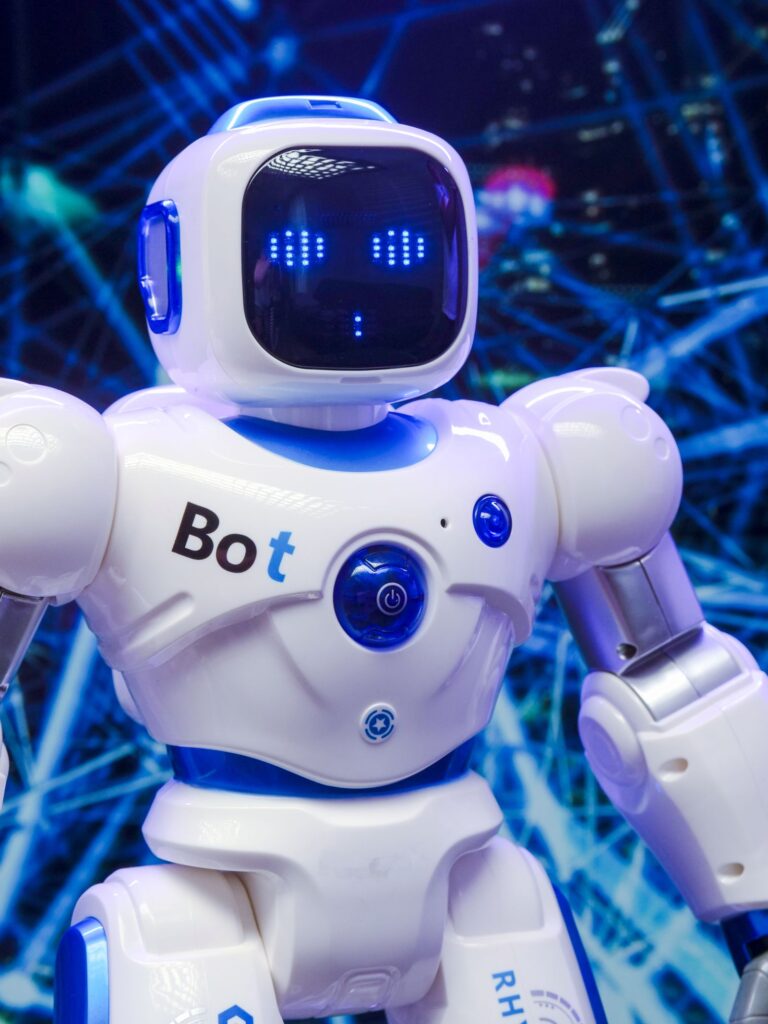

Tech Pulse: The Family of Assistants — Microsoft Opens the Copilot Framework
Introduction
In my earlier Tech Pulse reflection — “From Cortana to Copilot — A Journey of Resonance” — I explored how Microsoft’s assistants evolved over decades of design, voice, and intent.
Today, the story takes a decisive turn.
Microsoft has opened the scaffolding behind Copilot — not the product itself, but the developer‑facing foundations and agent frameworks that enable Copilot-style intelligence. This shift marks the beginning of a new era: The Family of Assistants.
What Microsoft Actually Open‑Sourced (and Why It Matters)
There’s been widespread confusion — fuelled by viral “floodgates are open” takes online — about whether Microsoft “open‑sourced Copilot.”
The answer is precise:
✔️ Open‑Sourced (on GitHub)
These are the developer‑facing foundations:
1. GitHub Copilot Chat for VS Code
- Announced at Build in May 2025; the extension’s code was released under the MIT licence in mid‑2025
- Shows how prompts, context and tools are assembled inside the editor
- Part of Microsoft’s plan to make VS Code an open‑source AI editor
2. Semantic Kernel → Microsoft Agent Framework
- Planning
- Memory
- Prompt chaining
- Tool calling
- Agent behaviour orchestration
Semantic Kernel has been open source since 2023. Its successor, the Microsoft Agent Framework — which brings Semantic Kernel and AutoGen together — is also open source and reached version 1.0 in April 2026.
3. Phi‑Family Models (Open Weights)
- Lightweight
- Efficient
- Local‑friendly
4. Agent Samples + Templates
- Ready‑to‑use templates
- End‑to‑end workflows
- Reference implementations
These are the “floodgates” the internet dramatized — the parts that feel like “view source” because they are the scaffolding, not the product.
What Remains Closed (The Actual Copilot)
Microsoft did not open‑source:
- Microsoft 365 Copilot
- Copilot for Windows
- the Windows AI runtime (formerly Windows Copilot Runtime, now Windows AI Foundry)
- Microsoft Graph integrations
- Enterprise connectors
- Security + compliance layers
- Cloud inference pipelines
- Commercial reasoning layers
- Product UI/UX
These remain proprietary because they are the value layer — the part enterprises pay for.
The Family of Assistants: A New AI Ecosystem
By open‑sourcing the foundation, Microsoft has shifted the narrative from:
One assistant for everything → Many assistants for specific things.
Developers can now build:
- a writing assistant
- a research assistant
- a finance assistant
- a governance assistant
- a domain‑specific assistant for every workflow
- assistants that run locally
- assistants that talk to each other
This is the Family of Assistants era — a modular, interoperable ecosystem built on a shared open foundation.
Why Microsoft Can Open the Base Layer Without Losing Anything
Open‑sourcing the scaffolding strengthens Microsoft’s position because the real value lies in:
- Microsoft Graph
- enterprise trust
- cloud‑scale hosting
- security + compliance
- product polish
- deep integration across Windows + M365
This is the same strategy behind:
- VS Code
- TypeScript
- .NET
Open foundation → proprietary cloud value → ecosystem dominance.
Closing Reflection
Microsoft didn’t just evolve Copilot. They expanded it into a platform — one where intelligence is distributed, modular, and collaborative.
The assistant is no longer a single entity.
It is a family, built on open foundations, shaped by developers, and connected through Microsoft’s ecosystem.
The next chapter of AI isn’t about one assistant becoming smarter. It’s about many assistants becoming specialized — and working together.
Further reading:
- Introducing Microsoft Agent Framework — Microsoft Foundry blog
- VS Code goes transparent as an open‑source AI editor — Visual Studio Magazine
The Assistants arc: From Cortana to Copilot → 3 Generations in the Family of Assistants → this post · More in Technology.
Discover more from Mix Bag of Interest
Subscribe to get the latest posts sent to your email.