
Similar Posts

  • Did you know?

    White stork The young ones of the white stork are known to switch homes. Before becoming fully mature, the nestlings abandon their own nest and enter another brood with younger and fewer chicks to maximise their chances of getting more food.

  • Beastly Slumber

    Did you know? Thrushes take hundreds of power naps a day, a few seconds at a time, in mid-flight. Otters fall asleep floating on their backs, sometimes holding paws with their friends so they don’t drift apart. Giraffes snooze only 20 minutes a day, often curled up with their heads on their own rumps. Brown…

  • Devil’s Pet

    Imagine meeting a snarling black beast with a gaping mouth and strong gleaming teeth in the dead of the night! You could meet such an animal on the Australian island of Tasmania, now the only home of the animal known as Tasmanian devil. It was once abundant in mainland Australia. But when the Aborigines came,…

  • Ventriloquist of the wild

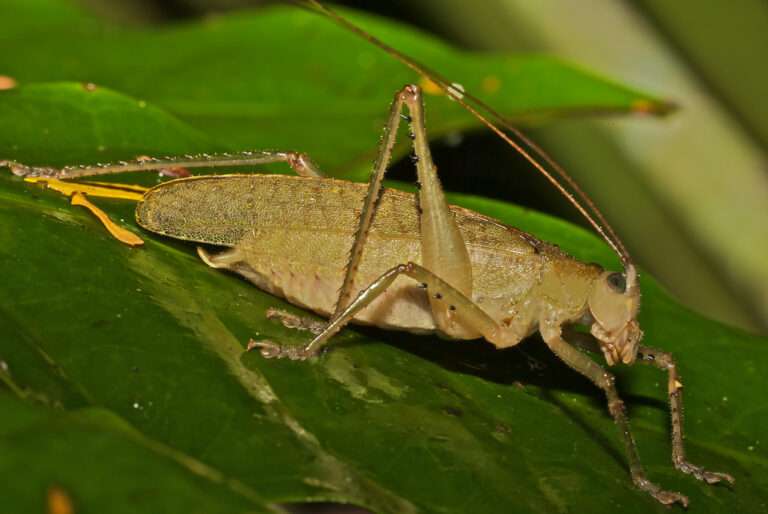
    In the past, a favourite pastime of the people in China was keeping jumping insects known as crickets, in cages, as pets. They enjoyed earing the musical chirping of these insects. Not only were crickets kept for their song but also for staging fights. Male crickets were pitted against each other in special bowls. The…
  • A Feast of Flamingos

    Why are those slender, long-necked, spindly-legged birds called flamingos such a lovely shade of pink? It is believed that microscopic algae called spirulina that form the major part of the bird’s diet, gives flamingos their characteristic color. Called beta-carotene, the substance is also found in shrimps and other water creatures that the flamingos eat. If…

Leave a Reply

Your email address will not be published. Required fields are marked *