Small businesses are entering a new era where AI for small businesses is no longer a futuristic idea — it’s becoming a practical necessity. MSMEs, retail shops, restaurants, logistics operators, and local service providers all face the same structural reality: they operate without HR departments, without tech teams, and often without formal training systems. Yet they must compete in a market where customers, suppliers, and competitors are already using AI‑enabled tools.
The question is no longer whether small businesses will adopt AI.
It’s how they’ll do it with the limited resources they have.
This post maps the real pathways, the practical workflows, and the quiet transformations that will define small‑business AI adoption in 2026. Small businesses are entering a new era where AI for small businesses is no longer optional.”
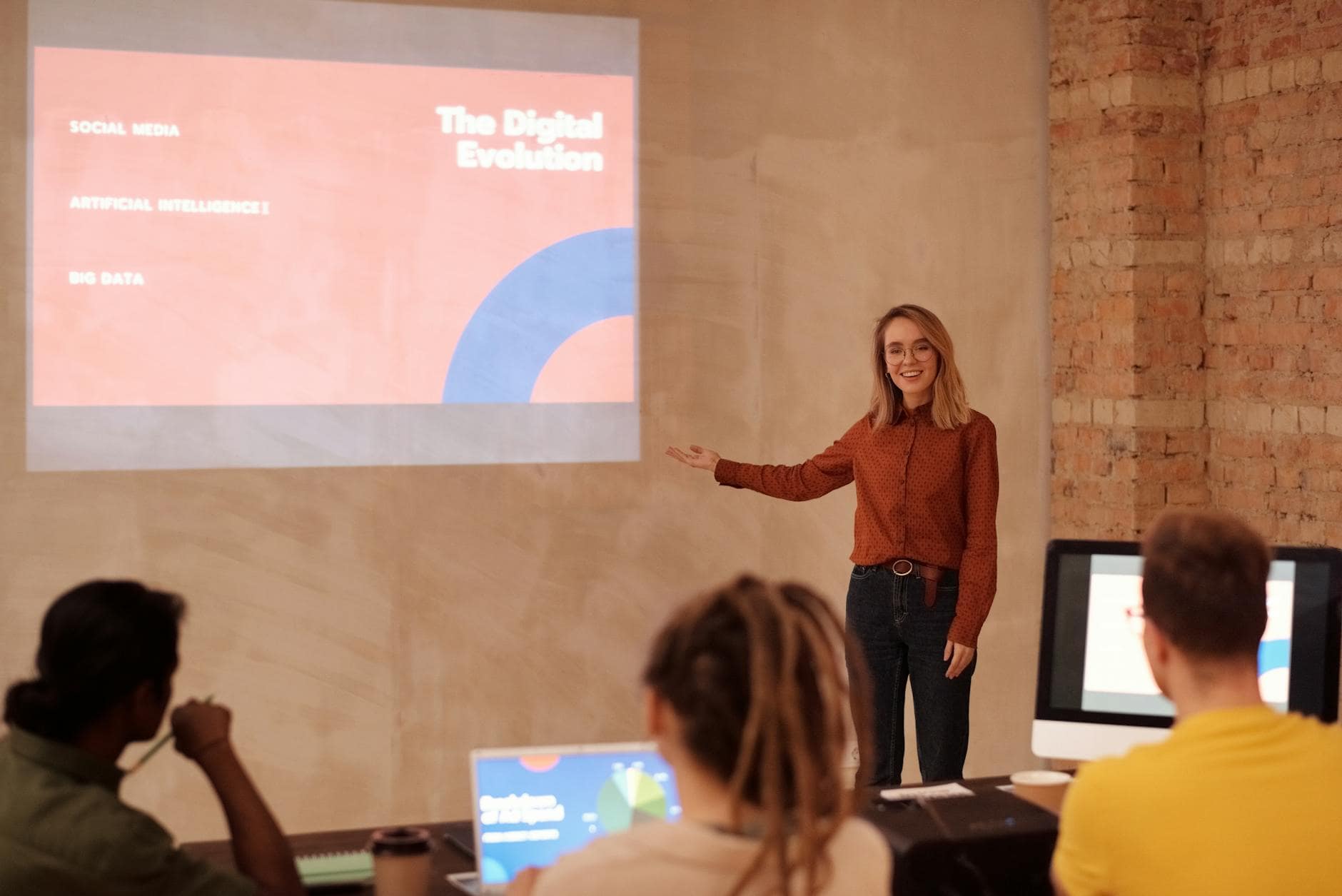
1. Why AI for small businesses (Even Without HR or Tech)
Small businesses face pressures that didn’t exist a decade ago:
- Customers expect instant replies
- Suppliers demand faster decisions
- Compliance has become more complex
- Inventory cycles are tighter
- Labour shortages are rising
- margins are shrinking
AI becomes the “third worker” — consistent, available, and affordable.
It doesn’t replace people; it fills the structural gaps that small businesses have lived with for years. This is exactly why AI for small businesses is becoming the new operational backbone.
According to a recent McKinsey analysis, AI adoption among small enterprises is accelerating.
2. The Cost Problem: HR and Tech Teams Are Unaffordable
Most MSMEs simply cannot justify:
- a full‑time HR manager
- a dedicated IT team
- formal training programs
- workflow consultants
Instead, they rely on:
- the owner
- a trusted supervisor
- informal peer training
- vendor support
- trial‑and‑error learning
AI steps into this vacuum.
It becomes the HR function, the IT helper, and the training layer — without the overhead.
3. How AI Will Enter Small Businesses (The Real Pathways)
AI adoption in small businesses won’t come through big transformations.
It will come through the tools they already use.
A. Through Existing Software
POS systems, billing apps, inventory tools, and CRM‑lite platforms will quietly add AI features:
- auto‑generated invoices
- stock alerts
- customer segmentation
- smart recommendations
- automated replies
Small businesses won’t “adopt AI” — their tools will adopt it for them.
B. Through Vendors and SaaS Platforms
Vendors become the outsourced HR + IT:
- onboarding
- training
- workflow templates
- troubleshooting
This is already happening in retail, hospitality, and logistics. Small businesses increasingly rely on digital tools for operations.
In our earlier post on Agentic AI in 2026, we explored how workflows are shifting.
C. Through AI Assistants Embedded in Daily Work
Owners and supervisors will use AI to:
- draft messages
- write product descriptions
- summarise customer chats
- create SOPs
- generate schedules
These are micro‑workflows that save hours every week.
D. Through Industry Associations
Textile clusters, logistics bodies, hospitality groups, and retail associations will offer:
- AI literacy
- workflow redesign
- certification
- best practices
This becomes the “sector‑level HR” small businesses never had. These pathways show how AI for small businesses will spread through existing tools.
Small businesses are also influenced by broader market shifts, as seen in our analysis of Asian Markets vs Nifty/Sensex
4. What AI Will Actually Do for Small Businesses
Break the hype. Focus on the real, practical value.
Hiring (Without HR)
- job descriptions
- screening questions
- interview scripts
- onboarding checklists
Training (Without Trainers)
- explain SOPs
- generate step‑by‑step guides
- answer process questions
- create micro‑lessons
Operations (Without Tech Teams)
- automate repetitive tasks
- track inventory
- generate reports
- flag anomalies
Customer Engagement
- personalised replies
- follow‑ups
- feedback analysis
- WhatsApp automation
Compliance & Documentation
- GST summaries
- invoice extraction
- basic legal templates
AI becomes the invisible backbone of daily operations. In 2026, AI for small businesses will handle hiring, training, and operations. AI‑enabled automation is already transforming compliance workflows
5. The Reality Check: Adoption Will Be Messy but Inevitable
Small‑business AI adoption won’t be smooth:
- uneven digital literacy
- generational gaps
- fear of automation
- reliance on vendors
- slow cultural change
But the direction is clear.
AI will become as normal as WhatsApp and UPI — quietly embedded, widely used, rarely discussed.
6. The 2026 Outlook — A New Category of Worker
Small businesses will increasingly rely on a new kind of employee:
The AI‑fluent worker.
Not a tech expert.
Not an HR professional.
Just someone who knows how to:
- ask the right questions
- use AI tools
- interpret outputs
- guide decisions
This ties directly to your February post on Intellectual Workers — the shift from manual execution to cognitive leverage.
Conclusion — The Core Insight
Small businesses won’t adopt AI through grand strategies or expensive transformations.
They’ll adopt it through small, affordable, embedded workflows that replace the HR and tech functions they never had.
AI becomes the scaffolding that small businesses have been missing for decades — invisible, practical, and deeply transformative. The rise of AI for small businesses marks a structural shift in how MSMEs operate
