
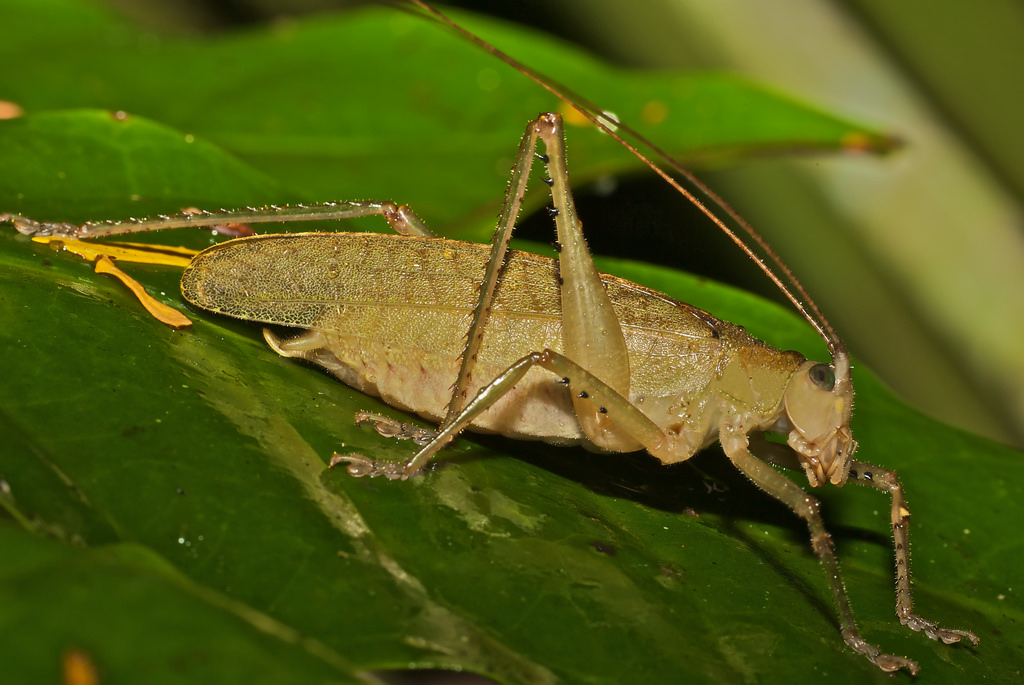
Cricket, ventriloquist

Ventriloquist of the wild

In the past, a favourite pastime of the people in China was keeping jumping insects known as crickets, in cages, as pets. They enjoyed earing the musical chirping of these insects. Not only were crickets kept for their song but also for staging fights. Male crickets were pitted against each other in special bowls. The fight was usually to the death and there was heavy betting on the outcome.

The chirping of crickets is clearly audible in the silence of the night in wooded areas. How do crickets produce their song? Only the males can sing- they have their sound-producing equipment on the two front wings. Each wings have a vein bearing a row of teeth, which are rasped or rubbed across a kind of scraper or plectrum on the edge of their wing. A pure high- pitched note is produced and the typical ‘chirping’ is a rapid succession of these notes. The wings are raised and the space between them and the body acts as a resonating chamber, amplifying the sound.

The insect also has the ingenious ability to ‘throw’ its voice like a ventriloquist. If it senses danger, the cricket alters the pitch of its chirps, giving the impression that the sound is coming not from the insect, but from some spot far away!

Similar Posts

  • Geographical Facts

    Q . Do you know which is the longest mountain range in the world? The Andes is the longest mountain range in the world. The Andes stretch 7000km along the western coast of South America. They extend across seven countries- Argentina, Bolivia, Chile, Columbia, Peru, Equador and Venezuela. The Andes gets its name from the…

  • Devil’s Pet

    Imagine meeting a snarling black beast with a gaping mouth and strong gleaming teeth in the dead of the night! You could meet such an animal on the Australian island of Tasmania, now the only home of the animal known as Tasmanian devil. It was once abundant in mainland Australia. But when the Aborigines came,…

  • The World’s Peskiest Bird

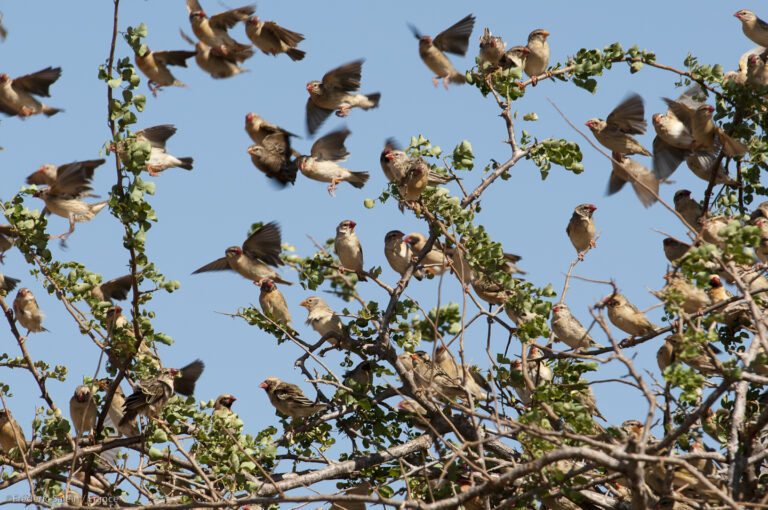
    The red-billed quelea destroy crops worth over $22million every year!  The quelea belongs to the weaverbird family and is found throughout Africa’s dry regions, south of Sahara Desert. It is sparrow-sized with a strong red beak. It is the most abundant bird species. The quelea weaves a spherical nest from strips of grass, with an…

  • Beastly Slumber

    Did you know? Thrushes take hundreds of power naps a day, a few seconds at a time, in mid-flight. Otters fall asleep floating on their backs, sometimes holding paws with their friends so they don’t drift apart. Giraffes snooze only 20 minutes a day, often curled up with their heads on their own rumps. Brown…

Leave a Reply

Your email address will not be published. Required fields are marked *