
After Manila: What India Took Away from the ASEAN Summit
This is ASEAN — Edition 2, written after the summit. Edition 1 set out what to watch before Manila; this edition looks at what India actually proposed and agreed, based on the Ministry of External Affairs’ official readouts.
What Happened in Manila
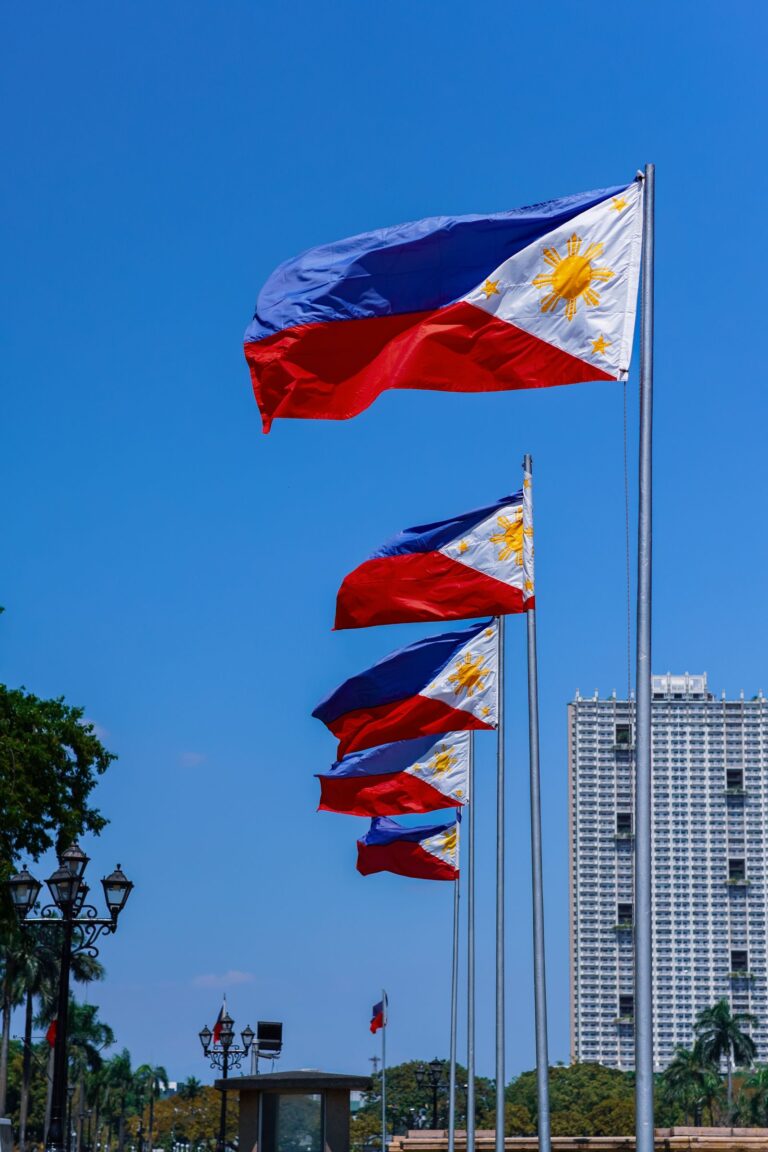
On 17 November 2026, Prime Minister Narendra Modi attended the 23rd ASEAN-India Summit and the 21st East Asia Summit in Manila, hosted by President Ferdinand Marcos Jr. of the Philippines.
His message to ASEAN was clear: the future of the region “depends on cooperation, and not competition”. He reaffirmed India’s commitment to ASEAN’s unity and centrality, and linked ASEAN’s Community Vision 2045 with India’s own goal of Viksit Bharat by 2047.
He also looked ahead: 2027 will mark 35 years of India-ASEAN ties and five years of their Comprehensive Strategic Partnership. Singapore takes over as ASEAN chair next year.
Frequently Asked Questions
| Question | Answer |
|---|---|
| What did India propose at the 2026 ASEAN-India Summit? | Nine proposals, including a long-term maritime cooperation plan, cyber forensics training, nuclear energy technical exchanges, cooperation on critical minerals, more Nalanda University scholarships and free e-visas for ASEAN tourists. |
| Will ASEAN tourists get free e-visas for India? | Prime Minister Modi proposed free e-visas for tourists from ASEAN countries at the summit. No start date or duration has been announced; India’s earlier free e-visa offers have run for a limited period, so check the terms before planning a trip. |
| What did ASEAN and India sign? | A Joint Statement on Cooperation in Disaster Management, covering early warning systems, satellite data, joint drills and faster relief. |
| What did India propose at the East Asia Summit? | A Seafarers’ Safety Initiative, an EAS cybercrime conference at the National Forensic Science University, an EAS Maritime Heritage Festival in Lothal and an EAS University Conclave at Nalanda. |
| Why is 2027 important for India and ASEAN? | It marks 35 years of India-ASEAN relations and five years of their Comprehensive Strategic Partnership. |
| Who chairs ASEAN in 2027? | Singapore takes over from the Philippines. |
India’s Nine Proposals
At the ASEAN-India Summit, India put forward a package of ideas:
- A long-term ASEAN-India Maritime Cooperation Plan: connectivity, scientific research, disaster management, coast guard cooperation, maritime domain awareness and seafarers’ security
- A Joint Cyber Forensics Training Programme
- ASEAN-India Nuclear Energy Technical Exchanges
- An ASEAN-India Space Hackathon
- Cooperation on mining and critical minerals
- Youth Connect: a youth summit, young parliamentarian exchanges and start-up hackathons
- More scholarships at Nalanda University for ASEAN students
- An ASEAN-India Creative Partnership Pavilion at WAVES 2027
- Free e-visas for tourists from ASEAN countries
He added one line that sums up the technology agenda: India and ASEAN should “not just be consumers of technologies, but should co-create them”.
The Quiet Headline: Free e-Visas
Of the nine proposals, one could reach ordinary people fastest. Free e-visas for ASEAN tourists would remove a cost and a step for travellers from eleven countries, many of them already linked to India by Buddhist heritage, food and family ties.
No start date or duration has been announced. India’s earlier free e-visa offers, such as those for Thailand and the Philippines, ran for a limited period, and tourists would still need to apply online.
It received little attention among the summit headlines. Whether it becomes policy, and how quickly, is one of the most practical things to watch.
A Pact on Disasters
The leaders adopted an ASEAN-India Joint Statement on Cooperation in Disaster Management. India and Southeast Asia share the same hazards: earthquakes, tsunamis, floods, cyclones, extreme heat and landslides.
The statement commits both sides to:
- Sharing early warning data on a voluntary basis, including satellite data, seismic monitoring and weather forecasts
- Using space-based data for disaster risk assessment and forecasting
- Joint training, drills and faster humanitarian assistance when a country asks for it
- Exploring AI and big data for early warning and response
It links ASEAN’s disaster agreement with India’s MAHASAGAR vision for the Indian Ocean region. Disaster resilience is also where climate change becomes practical.
The Sea, Again
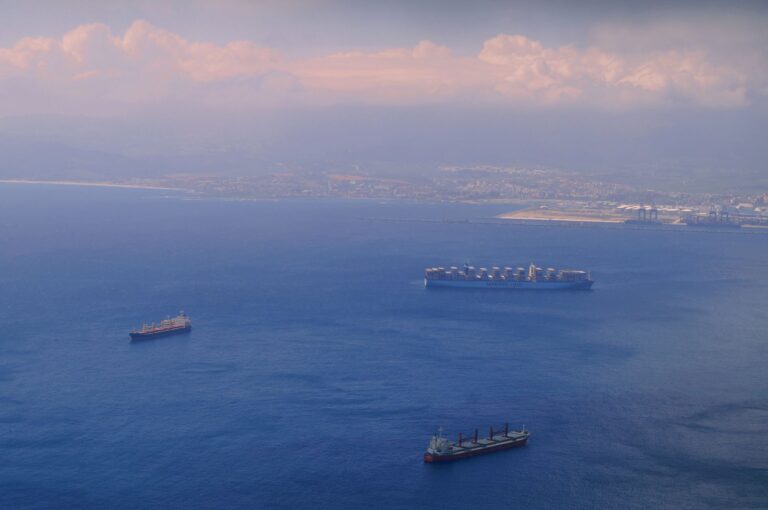
The maritime thread ran through every meeting in Manila. At the ASEAN-India Summit, India proposed the long-term maritime plan. At the East Asia Summit, it proposed a Seafarers’ Safety Initiative, as commercial ships and their crews continue to be targeted in international waterways. And the same day, the Quad announced a new maritime surveillance initiative. Read Quad in Manila: What the Summit Delivered for India for that story.
At the East Asia Summit
In a wider forum, Prime Minister Modi spoke about the cost of conflict on food, fuel and fertiliser security worldwide. He said India supports all efforts to resolve the conflicts in Ukraine and West Asia peacefully, and highlighted the threat of terrorism.
His four EAS proposals pointed to India’s own institutions:
- A Seafarers’ Safety Initiative for joint training and emergency response
- An EAS Cybercrime Conference at the National Forensic Science University, on online fraud and cross-border cybercrime
- An EAS Maritime Heritage Festival in Lothal, the ancient Harappan port in Gujarat
- An EAS University Conclave at Nalanda
Nalanda, Twice
In Edition 1, we noted Nalanda University as a quiet bridge to Southeast Asia. In Manila it appeared twice: more scholarships for ASEAN students, and a university conclave for all East Asia Summit countries. Soft power rarely makes headlines, but it lasts.
The Philippines Track
Prime Minister Modi also met President Marcos. The two leaders recalled meeting at the BRICS Summit in New Delhi in September 2026, where India invited President Marcos as ASEAN chair. They welcomed growing cooperation in defence and security, space, railways, fintech, and trade and investment under the Strategic Partnership set up in August 2025.
The Philippines has served as ASEAN’s country coordinator for India since 2024. On the sidelines, the Prime Minister also met the Prime Ministers of Thailand and Singapore.
Checking Our Watch List
In Edition 1, we listed five things to watch. Here is how they turned out, based on MEA’s official readouts:
| What we watched | What happened |
|---|---|
| A timeline for the AITIGA trade review | Not mentioned in MEA’s summit readouts |
| New maritime steps | Yes: a long-term maritime cooperation plan and a Seafarers’ Safety Initiative |
| A digital or UPI link-up | No UPI announcement; the focus was on co-creating technology, cyber forensics and a space hackathon |
| The India-Philippines meeting | Yes: defence, space, railways and fintech highlighted |
| Myanmar and the South China Sea | Not addressed in India’s readouts; the EAS remarks focused on Ukraine and West Asia |
What to Watch Next
- Details and timing of free e-visas for ASEAN tourists
- The shape of the long-term maritime cooperation plan
- 2027: 35 years of India-ASEAN ties, with Singapore as chair
- The AITIGA review, still unresolved
Further Reading
- MEA — Prime Minister participates in the 23rd India-ASEAN Summit in Manila
- MEA — ASEAN-India Joint Statement on Cooperation in Disaster Management
- MEA — Prime Minister addresses the 21st East Asia Summit in Manila
- MEA — Prime Minister meets the President of the Philippines
- ASEAN — Official portal
Previous in the series: ASEAN — Edition 1: India at the ASEAN Summit in Manila: What to Watch.
Discover more from Mix Bag of Interest
Subscribe to get the latest posts sent to your email.