India’s MEA Meets P5 at UN: A Multilateral Signal
Why Multilateral Conversations Matter: MEA’s Engagement with P5 Representatives at the UN
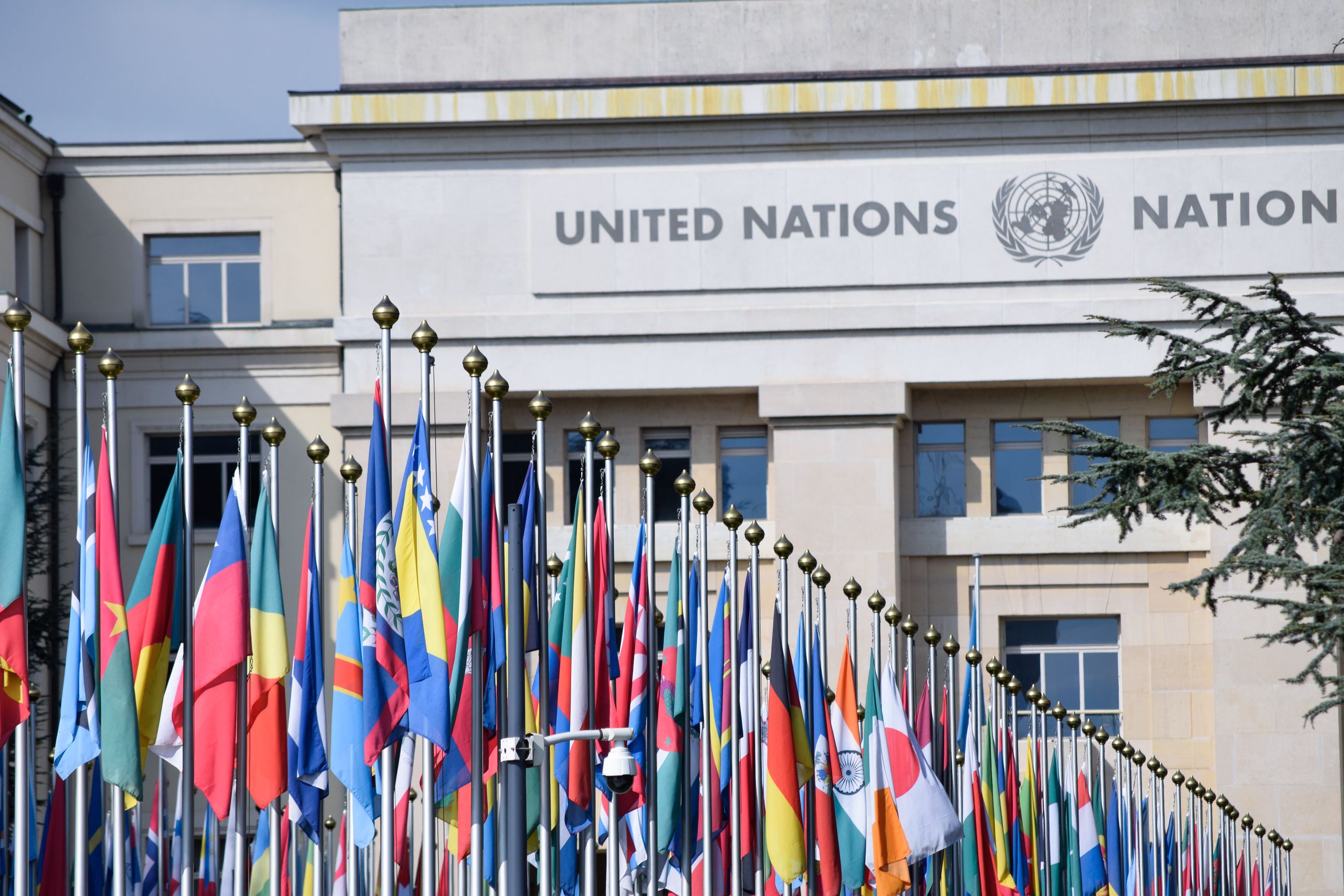
India’s Ministry of External Affairs met representatives of the Permanent Members of the UN Security Council (P5) this week — a quiet but meaningful diplomatic signal. These engagements rarely make headlines, yet they shape the underlying stability of India’s multilateral posture.
In a global environment marked by geopolitical uncertainty, supply‑chain fragility, and shifting power balances, conversations with P5 representatives serve a simple purpose: to keep channels open, positions clear, and cooperation predictable.
1. The Value of Multilateral Dialogue
Meetings at the UN level are not about immediate outcomes. They are about maintaining continuity. When major powers remain in active conversation, the risk of misalignment reduces. For India, this means:
- clarity on regional developments
- visibility in global decision‑making
- smoother coordination on crisis management
- reinforcement of India’s long‑term diplomatic posture
Multilateral stability is built through repeated, quiet interactions — not dramatic announcements.
2. India’s Strategic Posture
India’s engagement with P5 representatives reflects a consistent diplomatic pattern:
- steady communication with major powers
- balanced positioning in global forums
- focus on regional stability
- emphasis on institutional dialogue
This approach keeps India insulated from sudden geopolitical shocks and supports its broader governance narrative.
3. Cultural Governance Signal: National Handloom Day
Alongside multilateral diplomacy, India’s governance landscape also saw a softer signal: On National Handloom Day, the Prime Minister encouraged Gen Z creators to use Instagram and digital platforms to promote India’s local weaves and regional textile cultures.
This fits into a broader governance theme:
- digital outreach
- cultural preservation
- creator‑driven visibility
- support for artisan ecosystems
While unrelated to UN diplomacy, it reflects how governance today spans both global institutions and grassroots cultural ecosystems.
4. Why This Matters for Governance Tracking
For the MBI Grid and Daily Pulse, these signals contribute to:
- Multilateral Stability Index → steady
- Cultural Governance Index → moderate positive
- Digital Outreach Index → rising
- Geopolitical Risk Index → unchanged
No slope damage. No volatility spike. Just quiet, steady governance signals.
Takeaway
Multilateral conversations keep systems predictable. Cultural outreach keeps identity visible. Together, they form the dual rhythm of India’s governance landscape today.
References – Ministry of External Affairs – Official Press Releases