
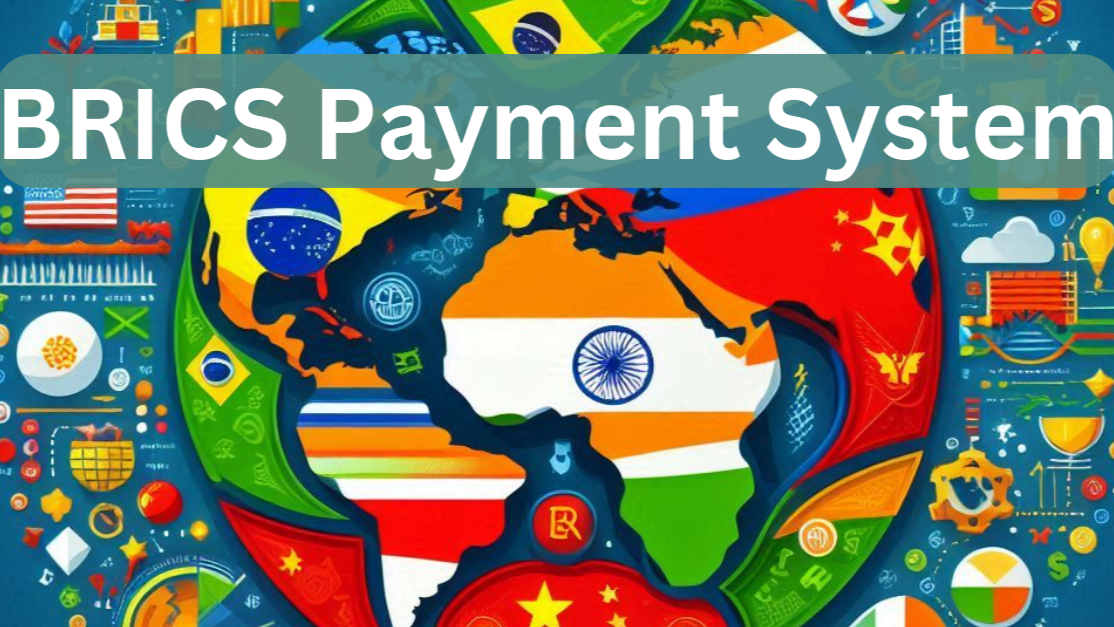
Financing MSMEs in the BRICS Era: Digital Payments & Digital Compliance as the New Credit Backbone
Edition 1
MSMEs are the backbone of BRICS economies, contributing between 25–40% of GDP and forming the largest segment of cross‑border trade potential. As BRICS shifts from governance to finance in 2026, the most important transformation underway is not political — it is infrastructural. The rise of digital payments and digital compliance systems across BRICS countries is quietly reshaping how MSMEs access credit, manage cashflows, and participate in regional trade.
This is the new financial architecture of the Global South.
Digital Payments: The BRICS Foundation for MSME Growth
Every BRICS country now operates a national real‑time digital payment system. They differ in design, but they share one structural purpose: to make MSME transactions visible, instant, and credit‑ready.
India — UPI
India’s Unified Payments Interface (UPI) is the world’s largest real‑time payment rail. Its open‑API architecture, QR‑based acceptance, and deep MSME penetration make it the strongest digital payments backbone in BRICS.
Brazil — Pix
Pix is Brazil’s instant payment system, widely adopted by MSMEs. It mirrors UPI in speed, interoperability, and merchant acceptance, and is already part of BRICS payment interlinking discussions.
China — WeChat Pay, Alipay & Digital Yuan Rails
China’s digital payments ecosystem is platform‑driven. WeChat Pay and Alipay dominate MSME transactions, while the digital yuan infrastructure adds a state‑backed compliance layer.
Russia — SBP (System for Fast Payments)
Russia’s SBP enables instant transfers and QR payments. It is central bank‑driven and increasingly used by MSMEs for domestic commerce.
South Africa — Rapid Payments Programme (RPP)
South Africa’s RPP is a modern real‑time payment system designed to expand MSME digital acceptance and reduce settlement delays.
Together, these systems form the payments layer BRICS needs for MSME credit visibility and cross‑border settlement.
Digital Compliance: The New Credit Infrastructure
Digital compliance is the second pillar of MSME finance. It includes digital identity, digital KYC, digital tax records, and verified transaction histories — all essential for lenders to assess risk.
India — The Most Advanced DPI Stack
- Aadhaar e‑KYC
- e‑Sign
- GST digital tax records
- PAN‑linked financial data
- Account Aggregator framework
India’s DPI is the global benchmark for MSME credit infrastructure.
Brazil — Open Finance + CPF Identity
Brazil’s digital compliance ecosystem integrates:
- CPF national ID
- e‑KYC
- Open Finance data
- Pix transaction histories
This creates a strong alternative‑data environment for MSME lending.
China — Platform‑Driven Compliance
China’s compliance rails combine:
- National digital ID
- Platform‑based KYC (WeChat/Alipay)
- Digital tax filings
- Digital yuan transaction records
It is centralized and deeply integrated with digital commerce.
Russia — State‑Driven Digital Compliance
Russia’s compliance stack includes:
- SNILS national ID
- Unified biometric system
- Digital signatures
- Digital tax records
- SBP transaction visibility
South Africa — Emerging Digital Compliance
South Africa is building:
- National digital ID integration
- Digital onboarding for MSMEs
- RPP transaction data
- Digital tax systems
Across BRICS, digital compliance is becoming the backbone of MSME credit scoring.
Why This Matters for MSME Finance in 2026
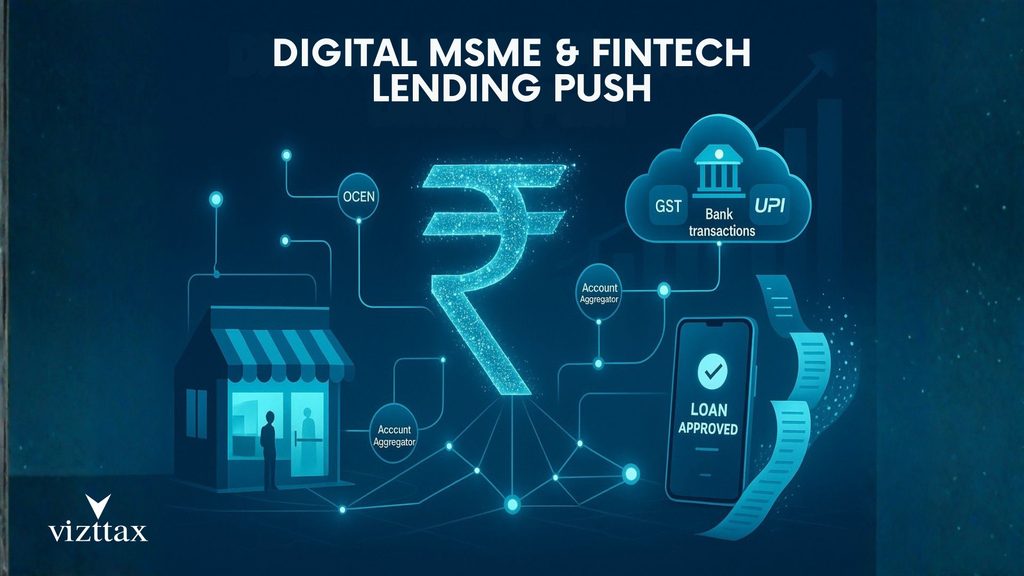
Digital payments + digital compliance = cashflow visibility → lower credit risk → faster lending → MSME growth.
This is the structural shift BRICS is enabling:
- MSMEs can prove financial behaviour through digital transactions.
- Lenders can assess risk using verified digital data.
- Cross‑border MSME trade becomes easier with interoperable payment systems.
- Local currency settlement reduces FX exposure for small businesses.
- Digital public infrastructure lowers the cost of credit delivery.
This is not a political narrative — it is a financial architecture transformation.
Media Narratives Around MSME Digital Finance
Media platforms such as India Global Review (IGR) — founded and anchored by journalist Palki Sharma — frequently highlight how digital public infrastructure strengthens MSME participation in regional trade. Their active YouTube channel: covers BRICS digital cooperation and MSME‑relevant financial trends.
These narratives shape public understanding, even though BRICS official documents focus strictly on local currency cooperation, digital payments, and financial connectivity — not media terms like “dedollarization.”
What to Watch Next
As BRICS moves deeper into finance in late 2026, MSME‑relevant developments include:
- BRICS Pay interoperability pilots
- DPI cross‑border experiments
- MSME digital lending frameworks
- Local currency settlement corridors
- Digital trade facilitation platforms
These will define the next phase of MSME finance across BRICS economies.
Closing Insight
MSME finance in the BRICS era is no longer about traditional collateral or legacy banking. It is about digital payments, digital compliance, and digital public infrastructure — the new backbone of credit access and regional trade.
This is the quiet revolution shaping the financial future of the Global South.