BRICS Currency Arc: India’s 2026 Payments Architecture
⭐ MBI Governance Signals — Edition 1
The BRICS Currency Arc: From Settlement Experiments to Systems Architecture
MBI Governance Series · India Chairship 2026

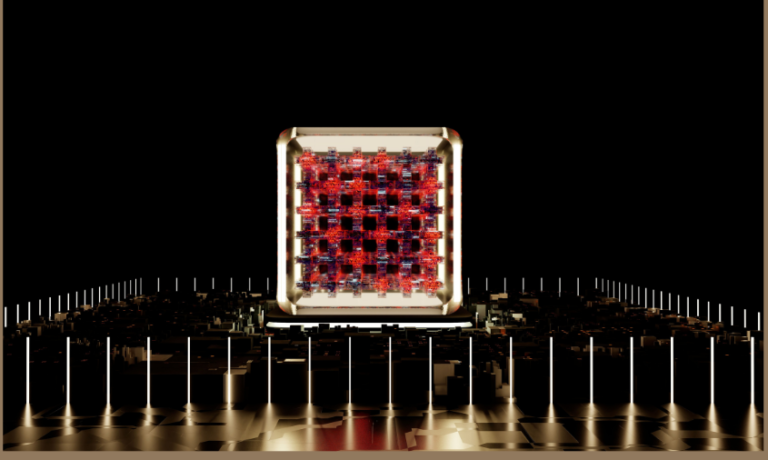
This visual framework maps the core governance architecture behind the BRICS Currency Arc: local‑currency settlement, fast‑payment interoperability, and CBDC‑based digital settlement. It highlights India’s systems‑first approach to financial resilience and the expected outputs of the 2026 Summit.
1. The Currency Arc Begins: Quiet Experiments, Not Dramatic Shifts
Across the last three ministerial cycles, BRICS has moved from conversation to experimentation in cross‑border payments. Not a “new currency,” not a “bloc coin,” not a “replacement,” but a governance arc built around three quiet pillars:
- Settlement diversification
- Payment system linkage
- Digital currency interoperability
This is the architecture India has been shaping under its 2026 chairship — slow, technical, and deliberately non‑disruptive.
2. The Settlement Layer: Local Currencies as First Step
The first visible layer of the currency arc is local currency settlement.
India has pushed for:
- Wider rupee settlement in bilateral trade
- Reduced friction in bank‑to‑bank corridors
- Expansion of swap lines for liquidity support
- Settlement pilots between India–Russia, India–UAE, and India–South Africa
This is not de‑dollarisation. This is risk diversification — a governance strategy to reduce settlement bottlenecks during global volatility.
3. The Payment Layer: Linking Fast‑Payment Systems
The second layer is payments interoperability.
BRICS is exploring:
- Linking UPI ↔ SPFS ↔ PIX ↔ MIR
- Creating a BRICS Payment Gateway for cross‑border retail flows
- Standardising messaging formats for instant transfers
- Reducing settlement time from T+2 → T+0 for select corridors
This is the most important governance signal of 2026: Payments first, currency later. Architecture before ambition.
4. The Digital Layer: CBDC Interoperability
The third layer is the most technical — CBDC interoperability.
Under India’s chairship, BRICS central banks have begun:
- Testing cross‑border CBDC settlement
- Exploring shared liquidity pools
- Studying FX conversion automation
- Drafting a CBDC Governance Framework for 2027
This is not a BRICS digital currency. This is CBDC plumbing — the pipes, not the coin.
5. The Governance Logic: Why This Arc Matters
The BRICS Currency Arc is not about replacing existing systems. It is about reducing vulnerability in three areas:
- Geopolitical shocks
- Sanctions‑linked payment disruptions
- High‑cost settlement corridors
By building parallel rails — not competing rails — BRICS is creating resilience architecture, not confrontation architecture.
This is the governance tone India has emphasised throughout 2026.
6. India’s Chairship Role: Systems, Not Symbols
India’s approach has been consistent:
- Build infrastructure, not narratives
- Prioritise interoperability, not isolation
- Focus on technical governance, not political signalling
- Anchor BRICS in long‑term institutional frameworks
This is why the currency arc feels quiet, steady, and deeply structural.
7. The 2026 Summit Context: What Comes Next
At the September Summit in New Delhi, the currency arc will likely appear in three forms:
- A BRICS Payments Interlinking Roadmap
- A CBDC Interoperability Principles Document
- A Local Currency Settlement Expansion Note
None of these are dramatic. All of them are governance‑heavy, architecture‑first, and aligned with India’s chairship theme: Resilience, Innovation, Cooperation, Sustainability.
⭐ MBI Governance — Edition 1 Summary
The BRICS Currency Arc is a systems‑first governance project: settlement diversification, payment linkage, and CBDC interoperability — quiet architecture shaping long‑term resilience.
🔗 Related Reading
For the geopolitical context shaping India’s chairship: BRICS 2026: India’s Multi‑Alignment and Strategic Autonomy
🔗 External Resources
These are the authoritative sources that align with your arc:
- BIS — Cross‑Border Payments & CBDC Reports (2023–2026)
- IMF — Fragmentation & Financial Stability Papers
- NDB Annual Report — Local Currency Lending Strategy
- NPCI International — UPI Global Expansion Notes
- World Bank — DPI Governance Framework
- UNCTAD — Global South Payment Vulnerability Report
- OECD — Digital Finance Governance Papers