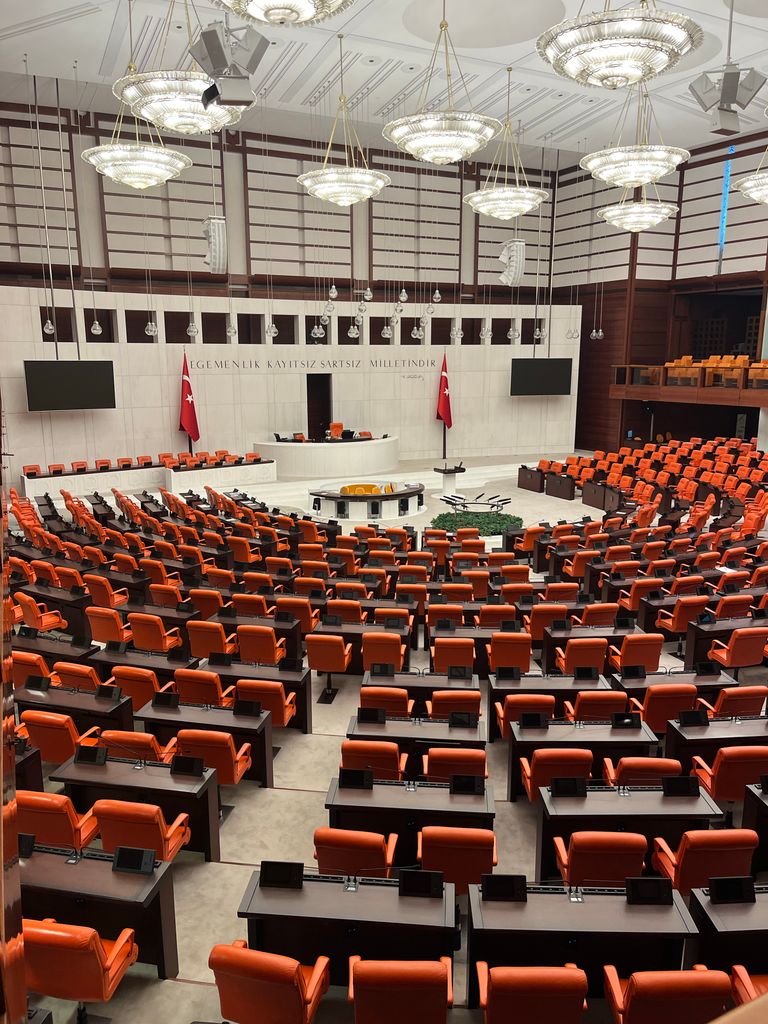
Quiet Alignments Before the Summit** BRICS Signals — Edition 8
BRICS Signals — Edition 8 tracks the quiet alignments taking shape before the upcoming summit.
BRICS Signals Edition 8 tracks the quiet alignments taking shape before the upcoming summit — the kind that rarely make headlines but shape the architecture beneath them. This edition looks at sequencing, corridors, attendance patterns, and the subtle shifts in language that reveal how the bloc is positioning itself for the next phase of multilateral coordination.
1. China’s Layered Pre‑Summit Sequencing
Beijing has begun a quiet diplomatic pattern with BRICS+ observers — not headline‑driven, but sequence‑driven. The order of outreach matters more than the content. China often uses this layered approach to set the tone of a summit without explicitly defining its outcomes.
For context, China’s pre‑summit signalling often follows a layered approach; Brookings has previously analysed this pattern in multilateral settings.
The signal:
China is preparing the ground for a coordinated, not expanded, summit narrative. The emphasis is on shaping expectations rather than announcing intentions.
2. Russia’s Corridor‑Based Framing
Moscow’s recent statements emphasise corridors, logistics, and connectivity rather than political declarations. This is a notable shift from the 2023–24 posture, where expansion dominated the conversation. Russia is now foregrounding infrastructure as the primary lens through which BRICS should be interpreted.
This aligns with Russia’s long‑term Eurasian connectivity agenda, which Carnegie Endowment has documented.
The signal:
Russia wants BRICS to be read as an infrastructure‑first bloc, not a political counterweight. The corridor framing also allows Russia to anchor itself in practical cooperation rather than symbolic positioning.

3. BRICS+ Attendance Fragmentation
Several BRICS+ invitees remain non‑committal about full participation. This isn’t a political hesitation — it’s a coordination gap.
The BRICS+ layer is still fluid, and the periphery has not yet stabilised into a predictable pattern of engagement.
For readers who want to revisit earlier patterns, see BRICS Signals — Edition 6
The signal: BRICS+ is still a loose constellation, not a structured extension. The centre is stable; the outer ring is still finding its rhythm.
4. India’s Quiet Coordination Mechanism Push
New Delhi’s language has shifted from “expansion” to “mechanisms” — a subtle but important recalibration. India is signalling that process matters more than size, and that the bloc’s effectiveness will depend on coordination frameworks rather than numerical growth.
The signal: Expect India to anchor the summit around practical coordination, not symbolic enlargement. This is a governance‑first approach, consistent with India’s broader multilateral posture.
5. South Africa’s Developmental Financing Lens
Pretoria continues to frame BRICS through developmental financing, not geopolitics. This is consistent with its 2023–25 stance but sharper in tone. South Africa’s emphasis on financing mechanisms aligns with its domestic priorities and its long‑standing engagement with global development institutions.
For background, UNCTAD’s development financing reports offer useful context.
The signal: South Africa wants BRICS to be read as a developmental coalition, not a strategic bloc.
6. The Under‑Current: Quiet Alignments, Not Announcements
Across all five signals, a pattern emerges:
- less noise
- more sequencing
- fewer declarations
- more corridor‑based framing
- emphasis on mechanisms, not expansion
This is a pre‑summit architecture phase — the kind that rarely makes headlines but shapes the summit’s eventual narrative. The noise elsewhere only makes these quiet shifts more visible.
BRICS Signals Edition 8 Summary
Across all five signals, a pattern emerges:
- less noise
- more sequencing
- fewer declarations
- more corridor‑based framing
- emphasis on mechanisms, not expansion
BRICS is not moving loudly. It’s moving structurally — in alignments, timing, and framing.
Edition 8 captures these shifts before they crystallise into the summit’s formal language.
As this landscape continues to shift, BRICS Signals Edition 8 offers a snapshot of how the bloc is shaping its internal rhythm ahead of the summit. These movements are not dramatic, but they are deliberate — the kind of structural adjustments that define how multilateral groups evolve over time. By reading these signals early, it becomes easier to understand the architecture that will eventually surface in official statements and summit outcomes.
Taken together, these movements show a bloc that is adjusting its internal rhythm with care. None of the shifts are dramatic, yet each contributes to a broader structural recalibration that will influence how the summit narrative eventually forms. This is the kind of slow, deliberate repositioning that often goes unnoticed in the news cycle but becomes clear in hindsight when the outcomes align with the groundwork being laid now.
For readers following the broader governance arc, you can also revisit Edition 7, which mapped the early pre‑summit signals.