5 Governance Signals: Energy Security and the Sovereignty Metric of the Next Decade
Governance Signals — Edition 5
Energy Security | The Sovereignty Metric of the Next Decade
1. The Signal
Energy Security has quietly become one of the most important governance signals of our time. While headlines focus on prices, shortages, and geopolitical tensions, the deeper story is structural: nations are redesigning their energy architecture to protect autonomy, reduce vulnerability, and build long‑term stability.
In governance terms, Energy Security is no longer a sectoral issue. It is a sovereignty metric — a measure of how much control a nation has over the flows that power its economy, institutions, and strategic choices.
This shift is subtle but decisive. Countries are not simply reacting to global volatility; they are building systems that allow them to remain steady despite it.
2. What’s Moving Beneath the Grid
Three slow‑moving but powerful structural patterns define the new energy landscape.
a) Diversification Over Dependence
The old model — relying on a single dominant supplier — is being replaced by a portfolio model. Nations are building:
- multi‑region supply lines
- domestic production capacity
- renewable corridors
- strategic reserves
- regional energy partnerships
Diversification is becoming the new resilience. It reduces exposure to shocks and increases negotiation power.
b) Renewables as Strategic Infrastructure
Renewables are no longer framed as climate goals alone. They are now:
- buffers against price volatility
- tools for autonomy
- long‑term stabilisers
- geopolitical equalizers
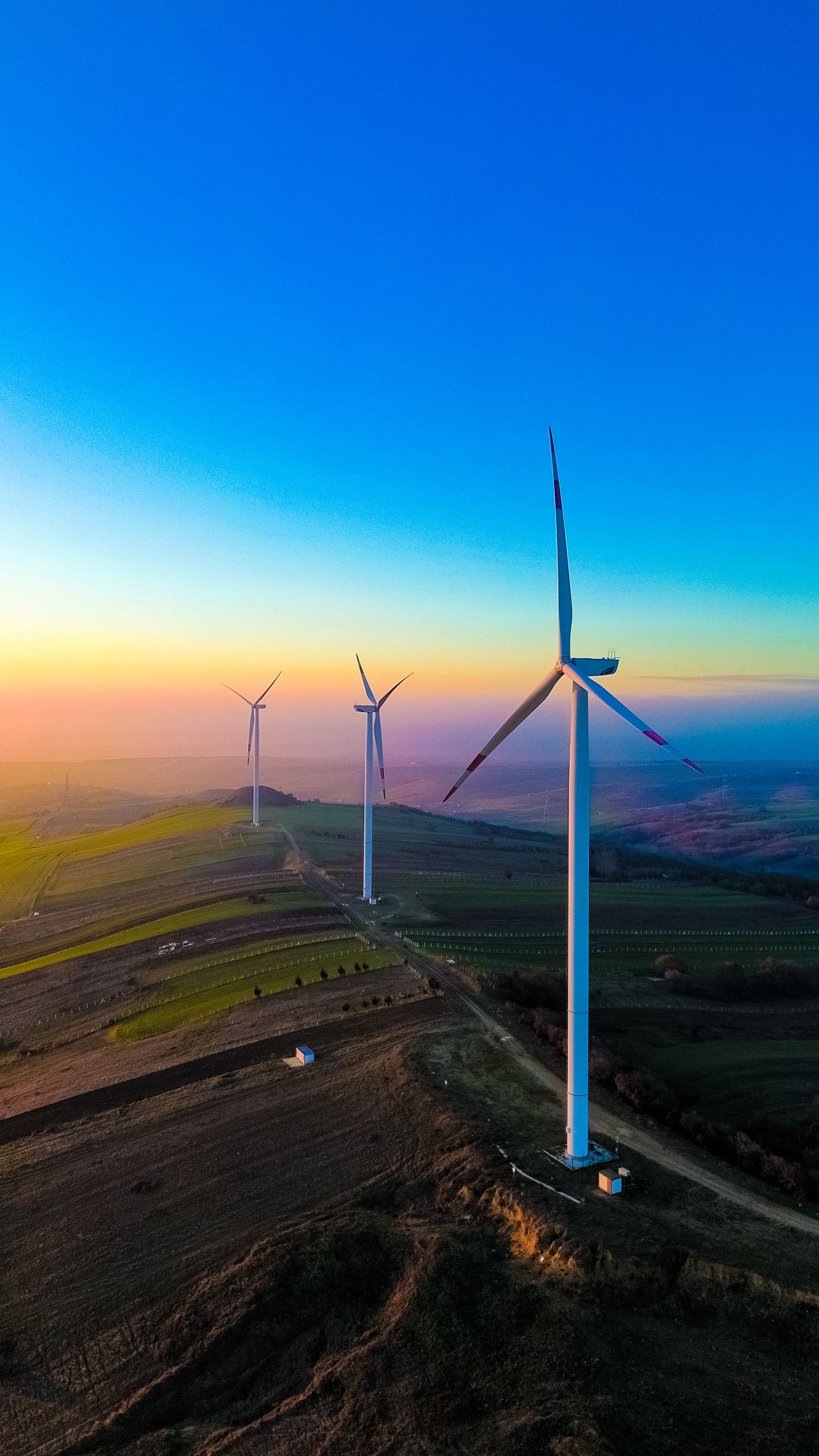
Solar, wind, hydro, and green hydrogen are being treated as national assets, not environmental add‑ons.
c) Storage and Grid Modernisation
Energy Security is not only about generation. It is about control.
Countries are investing in:
- battery storage
- smart grids
- cross‑border interconnectors
- demand‑response systems
- digital monitoring infrastructure
This is the quiet architecture that determines whether a nation can withstand shocks.
3. Why Energy Security Matters for Governance
Energy Security shapes:
-
- policy stability
- economic predictability
- foreign‑policy leverage
- institutional autonomy
When energy is secure:
- inflation becomes manageable
- supply shocks become absorbable
- negotiations become balanced
- long‑term planning becomes possible
Energy Security is not about abundance. It is about control over the flows that power national life.
4. The Governance View
Energy Security is now intertwined with:
- national security
- climate transitions
- technological sovereignty
- regional cooperation
- economic resilience
This is why global institutions — from the International Energy Agency (IEA) to the United Nations — frame energy as a governance issue, not a commodity market.
5. The Slow Signal
The world is entering a phase where Energy Security defines strategic autonomy.
Not alliances.
Not declarations.
Not rhetoric.
Just the quiet, structural work of ensuring that nations can power themselves without being shaped by external volatility.
Energy Security is becoming the sovereignty metric of the next decade.
-
- For earlier structural patterns, revisit Governance Signals Edition 3, and for the autonomy framework, see Edition 4.