
India G7 Role: 5 Essential Shifts Redefining Global Power
India G7 Role: 5 Strategic Signals Behind a Shifting Global Order
India G7 role is no longer symbolic; it reflects a deeper structural shift in global governance.
The G7 is no longer the table where the world’s real decisions are made. That’s the quiet structural shift behind the noise — and the reason India’s place in the next global architecture is already secured, with or without a formal invitation.
This isn’t about headlines or diplomatic choreography. It’s about where power has actually moved.
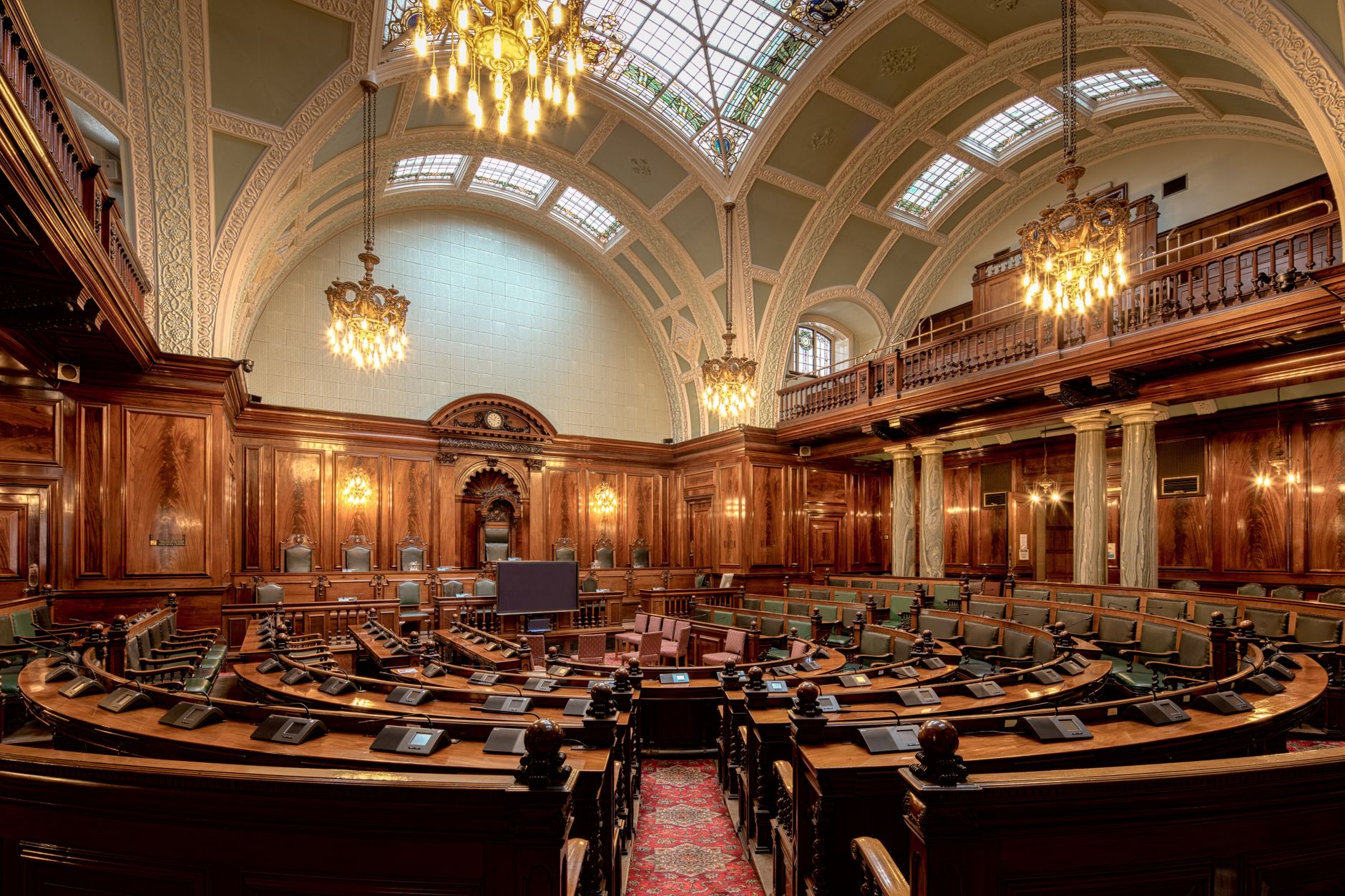
India G7 Role in a Changing Global Order
1. The G7’s Original Logic Has Expired
The G7 was built for a world where:
- Western economies dominated global GDP
- energy security was controlled by a handful of producers
- supply chains were linear and predictable
- the Global South had no structural voice
That world is gone.
Today:
- the G7’s share of global GDP has fallen from ~70% in the 1980s to under 45%
- demographic weight has shifted decisively to Asia and Africa
- supply chains are multipolar
- energy, technology, and manufacturing power are dispersed
The G7 still has influence — but not centrality.
2. The New Geometry of Power Runs Through the G20 and BRICS
The real decisions now happen in:
- G20 (economic coordination)
- BRICS (geopolitical balancing)
- Quad (security architecture)
- IPEF (supply chain and tech standards)
These are the platforms where India is not a guest — but a core node.
The G7, by contrast, is increasingly a legacy forum. This shift also explains why the India g7 role is increasingly discussed in the context of multipolar governance rather than legacy Western forums.
For readers following India’s broader governance arc this year, I’ve already analysed the early structural signals from India’s BRICS Chairship. That post outlines how India is shaping multilateral platforms beyond legacy forums like the G7.
Read the full analysis here: BRICS India 2026 — Governance Signals
3. India’s Role Has Shifted From Participant to System‑Shaper
India’s G7 role is no longer symbolic; it reflects a deeper shift in global power.
India’s position today is defined by three structural levers:
A. Demographic Scale
A young, skilled workforce in a world facing demographic decline.
B. Economic Weight
A top‑five economy with sustained growth when most advanced economies are stagnating.
C. Strategic Geography
A balancing power between East and West, with credibility across the Global South.
This is why India is now treated as:
- a permanent invitee to the G7
- a central actor in G20
- a stabilising anchor in BRICS
- a critical partner in Indo‑Pacific security
India’s G7 role also reflects a deeper structural realignment in global governance. As advanced economies face demographic stagnation and fiscal constraints, emerging economies are driving the next cycle of global growth. India’s combination of scale, stability, and strategic geography positions it as a system‑shaper rather than a system‑taker. This is why India is increasingly treated as a permanent stakeholder across multiple platforms, even when formal membership structures lag behind geopolitical reality.
4. The G7 Needs India More Than India Needs the G7
This is the quiet truth behind the diplomatic choreography.
The G7’s relevance today depends on:
- access to growth markets
- supply‑chain resilience
- energy diversification
- geopolitical legitimacy
India provides all four.
This is why invitations keep coming, regardless of the host country or political cycle.
For official statements and policy documents, the Ministry of External Affairs provides detailed briefings on India’s global engagements.
5. The Future Is Multipolar — and India Is One of the Poles
The next decade will not be defined by a single bloc. It will be shaped by interlocking platforms, each with different functions:
- G20 → economic governance
- BRICS → geopolitical balancing
- Quad → security architecture
- IPEF → supply chains and tech standards
- Global South forums → development and climate equity
India is the only country that sits comfortably in all of them.
That is the real signal.
The world’s centre of gravity has shifted — and India is no longer waiting for a seat. It is shaping the table itself.
The question, therefore, is not whether India will join the G7, but whether the G7 itself can adapt to the new distribution of global power. India’s G7 role is already visible in trade negotiations, supply‑chain frameworks, climate diplomacy, and technology standards. The world’s governance architecture is being rebuilt in real time, and India is one of the few countries with the credibility to engage both the West and the Global South without ideological baggage.
In the coming decade, India’s G7 role will be defined not by invitations but by influence. In the coming decade, India’s G7 role will be shaped less by invitations and more by influence across multipolar platforms.
As global forums evolve, the India g7 role becomes a useful lens to understand how influence is redistributed across emerging and established powers.