
The Systems That Hold the World Together: The Quiet Architecture of Global Governance
We often think of global governance as something loud — summits, speeches, negotiations, headlines. But the truth is quieter. Much like national governance continues during elections, global governance also runs through systems that rarely make the news yet shape our everyday lives in ways we barely notice.
These are the frameworks that keep the world functioning even when politics is noisy, borders feel tense, or crises ripple across continents. They are the quiet architecture of continuity — the invisible scaffolding that holds the world together.
And just as I wrote earlier this month about how governance continues during elections through essential services and silent systems, the same principle extends outward to the global stage.

🌍 1. The World Runs on Quiet Coordination
Behind every flight that lands safely, every package that crosses borders, every digital transaction that moves across time zones, there is a web of global standards and agreements quietly doing their job.
These systems don’t depend on political cycles. They don’t pause for elections, leadership changes, or diplomatic tensions. They are built for continuity.
Some of the most important include:
- International aviation standards that ensure aircraft from any country can land anywhere safely.
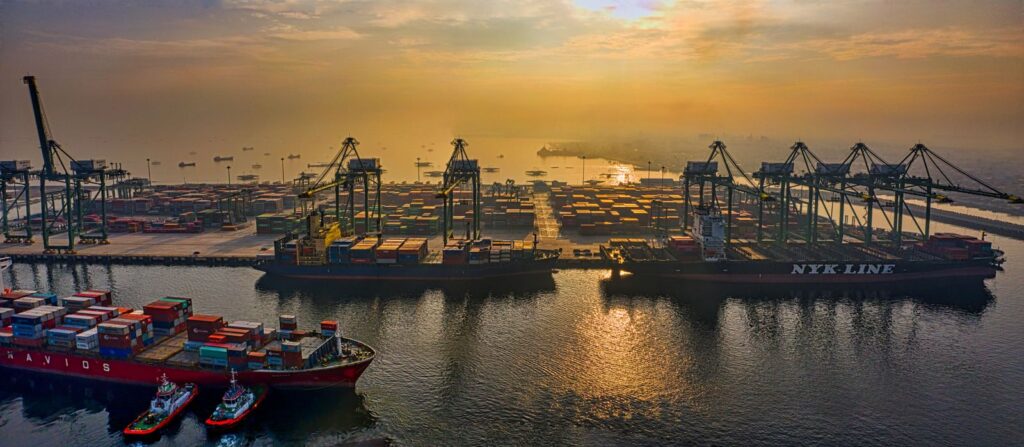
- Maritime shipping protocols that keep most of global trade moving.
- Global health alert systems that track outbreaks and coordinate responses.
- Digital interoperability frameworks that allow data to move securely across borders.
- Climate and disaster‑response networks that mobilize support within hours.
These systems are not dramatic. They are not glamorous. But they are essential.
🌐 2. Why Global Governance Is Designed for Continuity
Global governance is not a single institution. It is a network — a constellation of treaties, technical bodies, and cooperative mechanisms that operate regardless of political mood.
This is by design.
Most global systems are built around:
- Protocols, not personalities
- Standards, not speeches
- Technical expertise, not political cycles
- Long‑term continuity, not short‑term noise
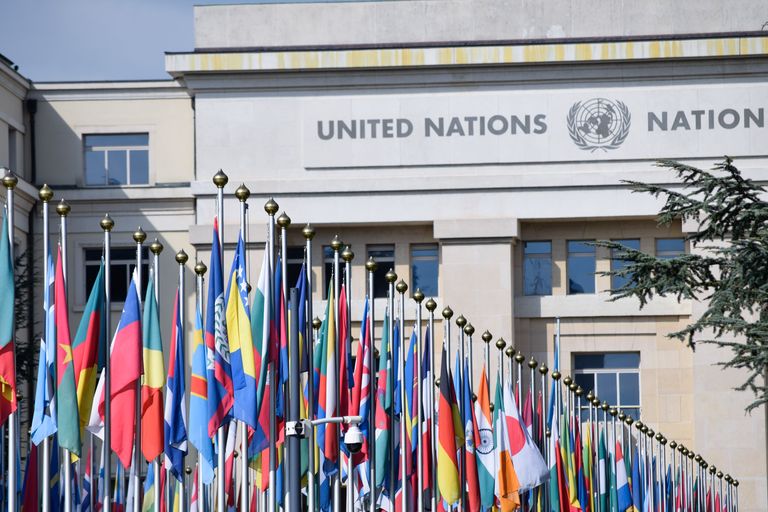
For example, the United Nations system coordinates everything from humanitarian aid to climate data to peacekeeping logistics — often quietly, steadily, and without fanfare.
These mechanisms ensure that even when countries disagree, the world does not stop functioning.
🌏 3. How These Systems Hold During Crises
Crises test global governance — but they also reveal its strength.
When borders close, supply chains reroute.
When disasters strike, emergency protocols activate.
When health threats emerge, data flows across continents within minutes.
This is the world’s “minimum viable cooperation” — the baseline level of coordination that continues even when everything else feels uncertain.
It is not perfect. But it is resilient.
And it mirrors what happens at the national level:
systems continue, people adapt, institutions hold.
🕊️ 4. The Beauty of Invisible Governance
There is something quietly reassuring about global governance.
It reminds us that beneath the noise of geopolitics, there is a deeper layer of cooperation — one that is technical, steady, and often invisible.
These systems don’t seek attention.
They don’t trend.
They don’t dominate headlines.
But they keep the world connected, safe, and functional.
And in a time when uncertainty feels louder than ever, it helps to remember that continuity is built into the architecture of global governance — just as it is within nations.
🌼 Closing Reflection
The world is held together not by dramatic moments, but by quiet systems.
Not by noise, but by continuity.
Not by headlines, but by the steady work of institutions designed to outlast political seasons.
Global governance is the silent thread that keeps our shared world stitched together — one standard, one protocol, one act of cooperation at a time.
Related reading: Institutional Autonomy: The Quiet Architecture That Holds Nations Together · Paradise Part 3: The Essential Architecture of Continuity · More in Governance.
Discover more from Mix Bag of Interest
Subscribe to get the latest posts sent to your email.