
Geoeconomics and Energy: 5 Reasons Why Every Geoeconomic Story Begins With Energy
Geoeconomics and energy are always linked, because energy is the first architecture of power. Every geoeconomic story — whether it looks like trade, technology, supply chains, or national strategy — begins with a simple truth: who controls energy controls the incentives that shape the world.
This is why geoeconomics and energy cannot be separated. One is the map; the other is the engine that moves everything on it.
The Foundation of Geoeconomics and Energy
Before currencies, before markets, before digital networks, there was energy. Civilisations grew or collapsed based on how much energy they could access, store, or convert into productive capacity.
In modern systems, this hasn’t changed — only the scale has.
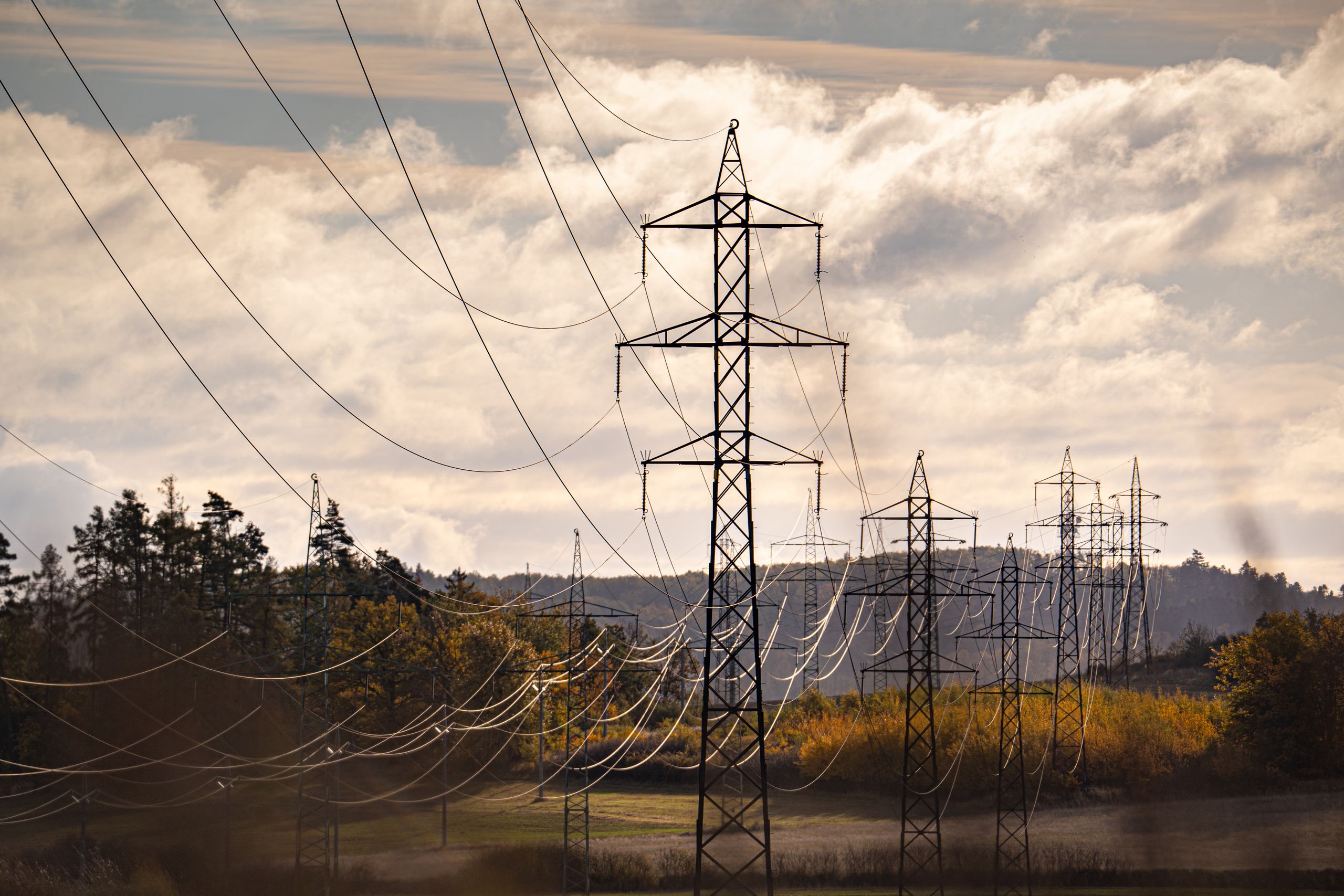
Energy determines:
- the cost of production
- the speed of growth
- the resilience of supply chains
- the strategic leverage nations hold
- the bargaining power embedded in trade relationships
When energy becomes expensive, everything becomes expensive. When energy becomes uncertain, everything becomes uncertain.
This is why geoeconomics always begins with energy. It is the invisible denominator behind every economic decision.
The Architecture Beneath Power
Every country’s economic strategy is built on a quiet calculation:
How much energy do we control, and how much do we depend on others for?
This single question shapes:
- alliances
- trade routes
- industrial policy
- technology adoption
- infrastructure investment
- diplomatic behaviour
Energy is not just a commodity. It is a strategic architecture — a structure that decides who has leverage and who must negotiate.
Incentives flow from this architecture. And incentives, not intentions, shape outcomes.
You may like to explore- 5 Governance Signals: Energy Security and the Sovereignty Metric of the Next Decade – Mix Bag of Interest
Why Geoeconomics and Energy Form a System
Most discussions treat energy as fuel. MBI treats energy as a system of incentives.
This system has three layers:
1. Physical Layer
Pipelines, grids, storage, extraction, transmission.
2. Economic Layer
Pricing, subsidies, trade flows, market design.
3. Strategic Layer
Security, alliances, dependencies, leverage.
Geoeconomics lives in the third layer. But it is shaped by the first two.
Why Energy Shapes Every Other Story
When you follow the incentives, you see a pattern:
- Technology adoption depends on energy availability.
- Industrial competitiveness depends on energy cost.
- Supply chain resilience depends on energy security.
- National strategy depends on energy independence.
- Global influence depends on energy exports or control.
Energy is the first constraint and the first enabler.
Every geoeconomic shift — from manufacturing hubs to digital economies — is ultimately a shift in how societies convert energy into value.
The Future: From Scarcity to Strategy
The world is moving from an era of energy scarcity to an era of energy strategy.
The question is no longer “Do we have enough energy?” The question is:
What kind of energy system gives us the most strategic flexibility?
This is where geoeconomics and energy converge:
- Nations redesign supply chains around energy resilience.
- Companies redesign operations around energy volatility.
- Technologies evolve around energy efficiency.
- Policies shift around energy incentives.
Energy becomes the first principle of economic design.
External resources- International Energy Agency — Global Energy Data
The MBI View
At MBI, the lens is simple:
Energy is not a sector. Energy is the architecture that shapes every sector.
Understanding geoeconomics without energy is like reading a map without understanding gravity.
Energy as the Quiet Variable Behind Stability
There is one more layer that often goes unnoticed: stability. Most economic models assume stability as a default condition, but in reality, stability is an energy outcome. When energy systems are predictable, societies behave predictably. When energy becomes volatile, behaviour shifts — markets react faster, institutions become defensive, and long‑term planning collapses into short‑term survival.
This is why energy is not just an economic input but a stability input. It shapes confidence, investment, and the willingness of systems to take risk. A country with stable energy can think in decades. A country without it is forced to think in days.
This is the quiet truth beneath geoeconomics and energy: stability is the real currency, and energy is what prints it.